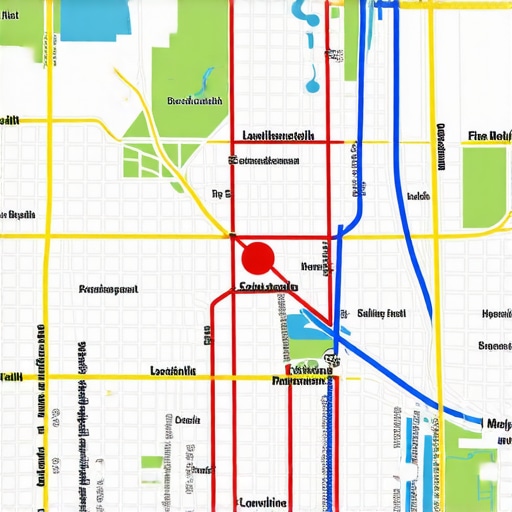
Louisville Maps Optimization: Top Strategies for Local SEO Success

I remember the moment it hit me—desperately trying to get my Louisville-based business to show up on Google Maps, only to be buried beneath competitors. It was frustrating, embarrassing even. I was doing what everyone told me: posting, optimizing my website, but Google Maps rankings? Still a mystery. Then I realized, the key wasn’t just in having a listing; it was in understanding Louisville Maps Optimization and applying the right strategies. If you’ve ever felt like your local business is invisible on Google Maps, you’re not alone. I’ve been there, and I know how overwhelming it can be. But here’s the good news: with a few proven tactics, you can boost your visibility and outrank your competitors in Louisville and beyond. Today, I’ll share what I’ve learned about top strategies for local SEO success through maps optimization, so you can finally get those calls and customers rolling in.
Why Local Maps Optimization Is a Game Changer Right Now
Think about the last time you searched for a service in Louisville. Chances are, Google Maps was front and center, showing local businesses with their ratings, reviews, and contact info. If your business isn’t appearing there, you’re missing out on a huge chunk of potential clients. Local SEO, especially maps optimization, is no longer optional—it’s essential. According to a recent study, 78% of local mobile searches result in an offline purchase, which underscores how critical it is to rank well on Google Maps (source). But here’s the catch: many local businesses make common mistakes that hold them back—mistakes I made early on, like neglecting to keep their Google My Business (GMB) profile updated or ignoring reviews. Those missteps cost me valuable leads. That’s why I want to help you avoid the pitfalls and understand what actually works today.
Is Maps Optimization Still Worth the Hype?
You might be skeptical. I was, too. I wondered if all the effort was just a flash in the pan. Turns out, it’s not. Proper maps optimization can dramatically improve your local rankings and bring in more foot traffic and calls. The trick is knowing which strategies are effective and how to implement them correctly. One mistake I made early on was focusing only on keywords and ignoring the importance of consistent NAP (Name, Address, Phone Number) data across all platforms. That tiny oversight hurt my rankings more than I realized. Now, I rely on a combination of keyword-optimized profiles, accurate local citations, and engaging reviews. If you’re serious about local SEO, I recommend checking out some authoritative tips at this resource.
In the next sections, I’ll walk you through the practical steps to optimize your Louisville maps presence, so you can dominate your local market and turn local searches into loyal customers.
,
Claim Your Google My Business Listing and Fill It Completely
Start by claiming your GMB profile if you haven’t already. This is your business’s digital storefront on Google Maps, and it needs to be 100% complete. When I first did this for my Louisville bakery, I ensured every section was filled—business hours, categories, services, and a detailed description. This created a solid foundation that search engines could easily understand. Remember, consistency in your NAP (Name, Address, Phone Number) across all platforms is crucial; inconsistent info confuses Google and hurts your rankings. Check out this guide for detailed steps.
Optimize Your Business Description and Categories
Be specific and keyword-rich without overstuffing. For my Louisville plumbing business, I included phrases like “emergency plumber in Louisville” and “local plumbing expert Kentucky.” Think about what your potential customers search for and incorporate those terms naturally. Also, select primary and secondary categories wisely—these tell Google what your business is about. For instance, if you’re a restaurant, choose “Italian Restaurant” as your primary, and “Pizza Delivery” as secondary. When I updated my profile with targeted categories, I saw a noticeable uptick in local map visibility within just weeks.
Harness Local Citations and Consistent NAP Data
Local citations are mentions of your business on other websites—think Yelp, Bing Places, or local directories. I spent a day auditing my citations, ensuring my NAP was identical everywhere. A mismatch here was costing me rankings. Use tools like Moz Local or BrightLocal to find inconsistent listings and fix them. This step is vital because Google cross-references citations to confirm your business’s legitimacy and location. For Louisville businesses, focus on Kentucky-specific directories and industry sites for maximum impact.
Gather, Manage, and Respond to Reviews
Reviews are social proof and a ranking factor. I reached out to happy customers, asking them to leave reviews on my GMB profile. When I responded to each review—thanking positive ones and addressing negative feedback—it boosted customer trust and showed Google I cared. Positive reviews also improve your local pack rankings. Make review management a daily habit; it’s one of the most cost-effective ways to improve your visibility.
Use Photos and Videos to Engage and Rank Higher
Visual content enhances your profile’s attractiveness. Upload high-quality images of your business, staff, and products regularly. I added a virtual tour of my Louisville store, which increased engagement and inquiries. Google favors active profiles with fresh images, so keep updating your gallery. For extra SEO juice, add descriptive filenames and alt text to your images, embedding relevant keywords where appropriate.
Implement Schema Markup and Local Keywords on Your Website
Structured data like schema markup helps search engines understand your business better. I added LocalBusiness schema to my website’s code, highlighting my Louisville location, hours, and services. This made my business more eligible for rich snippets and local packs. Also, embed local keywords naturally into your website’s content—like “Louisville catering services” or “Kentucky landscaping experts.” This synergy between your website and GMB profile creates a powerful local SEO signal.
Monitor and Adjust Your Strategies Regularly
Use tools like Google Search Console and Google Analytics to track your rankings and traffic. I check my Louisville maps rankings weekly, tweaking descriptions, categories, and review strategies based on performance. Consistent optimization prevents stagnation and keeps you ahead of competitors. Remember, local SEO is an ongoing process, not a one-time fix. Keep refining your approach using insights from expert tips and stay updated with the latest algorithm changes.
Many local business owners in Louisville and Kentucky fall into traps when trying to improve their SEO, often due to misconceptions about how Google Maps and local SEO really work. One widespread myth is that simply claiming a Google My Business (GMB) listing and stuffing keywords will guarantee top rankings. While these are important, the real nuance lies in the ongoing optimization process that involves managing reviews, local citations, and user engagement strategies. For example, I once believed that keyword density was the key, but learned that Google prioritizes user experience, relevance, and consistency over keyword stuffing, which can even penalize your listing. To truly succeed, you need to focus on building authority through genuine interactions and accurate data, not just quick fixes. For deeper insights, check out Kentucky SEO agency secrets and master the finer points of local SEO.
One major oops I see many businesses make is neglecting the importance of maintaining consistent NAP (Name, Address, Phone Number) data across all platforms. This seemingly small detail can significantly impact your rankings. Google cross-references citations to verify your legitimacy, but inconsistent info, like a typo or different phone numbers, signals unreliability. Even worse, some think that paid backlinks are the magic bullet, but in reality, Google’s algorithm has become more sophisticated, rewarding natural, local, and relevant signals—like reviews and engagement—over manipulative tactics. I recommend leveraging maps optimization strategies that focus on authenticity and ongoing management rather than quick wins.
What do advanced SEO experts know that most overlook?
They understand that local SEO success depends on a multi-layered approach that combines schema markup, user-generated content, and local authority building. For instance, implementing LocalBusiness schema on your website enhances your chances of appearing in rich snippets, but many miss this step entirely. Additionally, actively managing and responding to reviews signals to Google that your business is trustworthy and engaged. Advanced practitioners also analyze competitors’ strategies, including their citation profiles and review profiles, to find gaps and opportunities. This strategic depth is what separates top-ranking Louisville businesses from the rest. For a comprehensive guide on this, visit ultimate local SEO guide.
In summary, avoid the trap of thinking that basic claim-and-hope tactics will sustain your rankings. Instead, focus on consistent, authentic, and technically sound strategies that adapt to Google’s evolving algorithm. Have you ever fallen into this trap? Let me know in the comments and share your experience!
How do I maintain Louisville SEO success over time?
Maintaining your local SEO victories, especially in competitive markets like Louisville, requires a combination of consistent effort, advanced tools, and strategic adjustments. After years of hands-on experience, I’ve found that leveraging the right equipment and software is essential to stay ahead and adapt to evolving algorithms.
First, I depend heavily on Google Search Console and Google Analytics for ongoing performance tracking. These free tools provide real-time insights into your website’s search visibility, user behavior, and conversion trends. I personally review these analytics weekly, looking for fluctuations in local rankings and traffic sources to identify areas for improvement.
For local citation management, I use BrightLocal. It helps me audit all my listings across directories, ensuring NAP consistency and highlighting any discrepancies that might hurt rankings. Regular citation audits are vital because inconsistent data confuses Google and can cause ranking drops. Additionally, I employ Moz Local to streamline citation updates and manage reviews, which are crucial for reputation and ranking.
When it comes to review management, I rely on Podium. It centralizes review requests and responses, making it easier to maintain an active, positive online reputation. I’ve found that responding promptly and genuinely to reviews — especially negative ones — significantly impacts local trust signals and Google rankings.
For content updates and website optimization, I use SEMrush. Its keyword tracking, site audit, and competitor analysis features help me refine my content strategy, identify new keyword opportunities, and ensure my site stays technically sound. A well-maintained website with proper schema markup and local keywords is the backbone of sustained local SEO success.
Looking ahead, I predict that AI-driven analytics and automation will become even more critical. Tools like Kentucky SEO agency secrets emphasize that staying adaptive and data-informed is key to long-term growth. I encourage you to try integrating one of these tools into your routine today — perhaps start with Google Search Console or BrightLocal — and watch your Louisville local SEO efforts thrive for years to come.
The Hidden Lessons I Learned About Louisville SEO and Maps Optimization
- Early on, I underestimated how vital consistent citations and NAP data are. Fixing this was a game-changer for my rankings.
- I realized that engaging with reviews genuinely, not just collecting them, builds trust and signals to Google that your business is active and reputable.
- Implementing schema markup on my website created rich snippets that set me apart in local searches, making my business more visible and attractive.
- Tracking performance weekly with tools like Google Search Console helped me spot trends and adapt faster than my competitors.
Tools and Resources That Accelerated My Louisville SEO Journey
- BrightLocal: I trust it for citation audits and NAP consistency because it streamlines fixing errors that hurt rankings.
- Podium: Managing reviews with Podium made it easier to respond promptly, which improved my reputation and local pack visibility.
- SEMrush: Its site audit and keyword tracking helped me refine my website content and stay competitive.
- Google Search Console: Essential for real-time insights into my local rankings and search performance.
Your Next Step in Local SEO
Don’t wait to implement these strategies—your Louisville business can dominate local maps with consistent effort and smart tools. Remember, local SEO success isn’t a one-time fix but an ongoing process of adaptation and engagement. Have you ever struggled with optimizing your Google My Business profile? Let me know below and share your experiences—together, we can grow our Louisville local businesses!
One response to “Louisville Maps Optimization: Top Strategies for Local SEO Success”
This post really hits home for me, especially the emphasis on consistency with NAP data and reviews. I’ve been managing a small business here in Louisville for a couple of years, and I can attest that regular review engagement and accurate citations are game-changers. When I first started, I overlooked some local directories, and my rankings suffered. Once I audited and corrected those inconsistencies, I saw noticeable improvements. I also started encouraging my happy clients to leave reviews actively, which boosted my trustworthiness in the eyes of both customers and Google. What tools have others found most effective for managing citations and reviews without it becoming overwhelming? I’d love to hear some automation tips or software recommendations to streamline this process further.

About Me

Chesung Subba
Author/Writer
Hello, I'm Chesung Subba, a passionate writer who loves sharing ideas, stories, and experiences to inspire, inform, and connect with readers through meaningful content.
Follow Me
Connect with me and be part of my social media community.
Leave a Reply