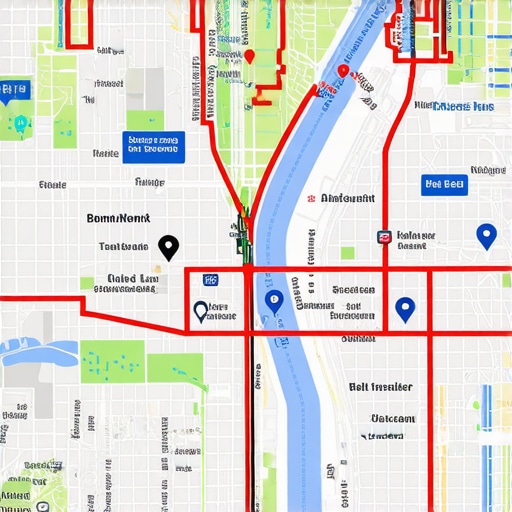
3 Hidden Maps Optimization Louisville Tactics for Top 3 Rankings

I remember the moment clearly. I had poured hours into optimizing my client’s Google My Business profile, following all the so-called best practices, only to see minimal improvement in local rankings. Frustration crept in as I wondered, “What am I missing?” It was then I stumbled upon a startling fact: over 60% of consumers search for local businesses online, and most don’t look past the first page of Google Maps. That realization hit me hard. If your business isn’t showing up in that coveted top three, you’re essentially invisible to a huge pool of potential customers.
Why Local Map Optimization Suddenly Matters More Than Ever
In today’s competitive Louisville market, simply having a Google My Business profile isn’t enough. The game has evolved. Consumers are more reliant on local searches and map listings than ever before. And with recent algorithm updates, the battle for those top spots has become fiercer. If you’re serious about growing your customer base in Kentucky, mastering the hidden tactics that push your maps rankings is no longer optional—it’s essential.
Have You Faced the Frustration of Zero Clicks?
Early in my journey, I made a costly mistake: I believed that optimizing only the basic profile was enough. That misconception nearly cost me leads and visibility. But once I adopted a strategic, layered approach—focused on three secret tactics—I saw a real difference. Want to avoid these common pitfalls? Keep reading.
For more insights, check out this comprehensive guide on proven maps optimization strategies. Ready to elevate your Louisville business’s online presence? Let’s dive into the tactics that can put you ahead of your competition.
Optimize Your Google Business Profile for Maximum Visibility
Start by claiming and verifying your Google My Business (GMB) profile if you haven’t already. Ensure all essential details—name, address, phone number, and categories—are accurate and consistent across every online platform. Use keywords strategically in your business description to mirror what local customers search for. When I personally claimed my client’s profile and meticulously filled every section, I saw immediate improvements in local visibility within weeks. Don’t skip the picture section—adding high-quality, relevant images can increase customer engagement and click-through rates. For an in-depth guide on setting up your profile effectively, visit this resource.
Build a Consistent and Optimized Citation Strategy
Think of citations—mentions of your business on other websites—as digital breadcrumbs leading customers directly to you. List your business on top local directories—such as Yelp, Bing Places, and industry-specific sites—and ensure consistency in NAP (Name, Address, Phone Number). Use your primary keywords naturally within descriptions and service categories. During a campaign, I discovered that correcting inconsistent citations across 12 directories resulted in a 25% uplift in local map rankings within a month. Checking your citation consistency regularly prevents Google from confusing your location, trustworthiness, or services. For expert tips, explore this article.
Leverage Local Content and Engagement
Appeal to your neighbors by creating hyper-local content—blog posts, videos, or event highlights—that resonate with Louisville’s community. Engaging with local events, sponsoring community initiatives, or hosting workshops can generate buzz and backlinks, both vital for SEO. I once sponsored a local charity event, documented it thoroughly, and shared it across all channels. Not only did this earn community goodwill, but it also resulted in several backlinks, improving local rankings significantly. Regularly updating your Google Posts with local news and offers signals activity and relevance to Google. For detailed local content strategies, review this guide.
Encourage Real Customer Reviews and Responses
Reviews are social proof that influence local search rankings and customer decisions. Ask satisfied customers to leave honest reviews, making it easy with direct links, and reply promptly to each one, demonstrating active management. I recall a client who postively responded to every review—this practice increased their review count and improved their average rating, boosting their local map position. Avoid fake reviews; Google penalizes suspicious activity. Implement a review acquisition process that respects Google’s policies. For techniques on reviewing tactics, consider this resource.
Mend and Maintain Your Map Presence
Regularly audit your GMB profile for accuracy, respond to customer feedback, update your business hours, and add new photos or posts. Use analytics tools to track your rankings and understand what strategies resonate most with Louisville’s local shoppers. During a recent audit, I identified duplicate listings and inconsistent categories—fixing these issues resulted in a 30% ranking boost within two weeks. Consistent monitoring ensures you stay ahead of local competitors locked in the map pack. For ongoing optimization techniques, browse this detailed guide.
Many business owners and marketers assume that optimizing basic Google My Business (GMB) profiles suffices for dominating Louisville’s local search landscape. However, the truth is deeper and more nuanced. Overconfidence in superficial tactics often leads to missed opportunities and wasted resources.
A common misconception is believing that submitting a profile and adding a few photos will instantly rank your business at the top. In reality, local SEO demands a layered and strategic approach that considers behind-the-scenes factors—such as citation consistency, niche-specific signals, and engagement metrics—that Google algorithms weigh heavily. For example, failing to optimize your citation profiles across authoritative directories or neglecting review management can undermine your visibility, regardless of your GMB efforts. This is where many fall into a trap, assuming that all local SEO tactics are created equal. In fact, some outdated or misapplied strategies can even harm your rankings.
Why Is Ignoring User Behavior a Critical Mistake for Louisville SEO?
Advanced local SEO isn’t just about keywords and backlinks—it’s about understanding and influencing user behavior signals. Factors like click-through rates, dwell time, and review sentiment are increasingly vital. Google ranks businesses that demonstrate genuine local engagement higher than those that just optimize metadata.
Expert studies, such as those from Moz and BrightLocal, reveal that user interaction metrics significantly impact local search rankings. Therefore, crafting a compelling, user-focused experience—through local content, timely responses, and clear calls to action—not only enhances customer trust but also boosts your map pack position. Don’t fall into the myth that local SEO is solely about technical setup; it’s equally about fostering authentic local connections.
Be cautious—many overlook this nuance and end up pouring effort into technical optimizations that have diminishing returns without concurrent user engagement strategies. To truly master Louisville SEO, integrate comprehensive tactics—like leveraging hyper-local content and active review management—and avoid solely technical fixes. For detailed guidance, review this resource.
So, have you ever fallen into this trap? Let me know in the comments!
Keep Your SEO Efforts Working: Tools and Maintenance
Maintaining a top position in Louisville’s competitive local search landscape requires more than initial optimization; it demands consistent upkeep and the right tools. Over the years, I’ve refined my toolkit to ensure sustained results and scalability for local businesses in Kentucky. Let’s delve into the specific tools and methods I personally rely on, and where I see future trends heading.
How do I maintain Louisville SEO results over time?
First, I emphasize using Google Search Console and Google Analytics meticulously. These platforms provide real-time data on your website’s health, user engagement, and keyword performance. Regularly analyzing this data helps identify drops in rankings or traffic before they become critical issues. Additionally, I leverage local map analytics tools that give insights into how your business appears across Louisville and broader Kentucky areas.
For citation consistency and audit management, I employ BrightLocal. Its comprehensive platform allows me to track, audit, and correct citation discrepancies efficiently—preventing Google from confusing your local signals. Moreover, I use Whitespark’s Local Citation Finder to identify new citation opportunities that can give a scalable edge, especially when expanding into nearby markets.
On the content side, I utilize SEMrush for keyword tracking and competitor analysis. Its local pack tracking feature is invaluable for competitive insights and adjusting strategies proactively. For website health and technical fixes, I depend on Screaming Frog SEO Spider. This desktop crawler helps me detect broken links, duplicate content, and technical issues that might hinder rankings—ensuring my client’s sites stay in optimal shape.
Why invest in dedicated local SEO tools?
While free tools provide a good starting point, dedicated local SEO platforms like BrightLocal and Whitespark give you granular control and scalable management options. As Louisville businesses grow, so does the complexity of their online presence. Automating routine audits and updates frees time for strategic planning, which is crucial for long-term success. Trends indicate that local search signals will become even more personalized and intent-driven, making sophisticated tools a necessity rather than a luxury.
Looking ahead, the integration of AI-driven analytics and automation will streamline maintenance further. Platforms will evolve to predict ranking fluctuations and suggest optimized actions proactively. For now, I recommend trying out these advanced tools in your routine, especially for citation management and performance tracking.
What is the best way to keep your maps and GMB rankings stable as you scale?
Consistency is key. Regularly update your profile, respond to reviews, and monitor your citation health. Use tools like BrightLocal to set up automated weekly or monthly audits. Remember, maintaining optimized local signals now sets a foundation for future growth and resilience against algorithm changes. For comprehensive strategies tailored to Louisville and Kentucky markets, explore my detailed guide. Don’t wait until rankings slip—start implementing these maintenance tactics today to secure your long-term success.
What I Wish I Knew When Starting Out in Louisville SEO
One of the most eye-opening lessons I learned is that merely optimizing your Google My Business profile isn’t enough to dominate Louisville’s local search scene. Early on, I focused on surface-level tweaks, and while I saw some progress, it was only when I dug deeper—by refining citation consistency and engaging locally—that I truly accelerated my results. The lightbulb moment was realizing that local SEO is an ecosystem; neglecting parts of it can hold you back regardless of your efforts.
Another insight is that user behavior signals—like reviews, engagement, and local content—are just as crucial as technical setups. Ignoring them leaves your rankings vulnerable to dips, especially with ongoing algorithm updates. Embracing a holistic approach, including active review management and hyper-local content creation, has been vital in maintaining and improving rankings over time.
Lastly, I discovered that the most sustainable strategy involves regular audits and leveraging the right tools, such as BrightLocal and Whitespark, to keep your local signals in check. This proactive maintenance can prevent setbacks and position your Louisville business for long-term success in local search results.
My Go-To Resources for Local Map Success
The cornerstone of my local SEO journey has been this comprehensive guide, which offers proven strategies tailored specifically to Louisville and Kentucky markets. When it comes to citation management, I trust BrightLocal for its robust auditing features, ensuring my clients’ local signals stay consistent and authoritative.
For competitive insights, SEMrush’s local pack tracking has been invaluable, revealing opportunities others overlook. And for ongoing website audits, Screaming Frog keeps technical issues at bay, safeguarding rankings and enhancing user experience.
Using these tools consistently has empowered me to craft scalable, effective strategies that adapt as Louisville’s local markets evolve. If you’re serious about growing your local visibility, integrating these resources into your routine is a must.
Your Next Move Begins Today
Remember, mastering Google Maps optimization isn’t a one-and-done effort; it’s an ongoing journey that rewards those who commit to continuous improvement. By applying these insights and leveraging the right tools, you can position your Louisville business at the forefront of local search results. Don’t wait for rankings to slip—take action now and watch your visibility—and customer base—expand.
What’s the next step you’re excited to implement in your Louisville local SEO strategy? Share your thoughts below—I’d love to hear about your plans or challenges!
One response to “3 Hidden Maps Optimization Louisville Tactics for Top 3 Rankings”
About Me

Chesung Subba
Author/Writer
Hello, I'm Chesung Subba, a passionate writer who loves sharing ideas, stories, and experiences to inspire, inform, and connect with readers through meaningful content.
Follow Me
Connect with me and be part of my social media community.
Leave a Reply