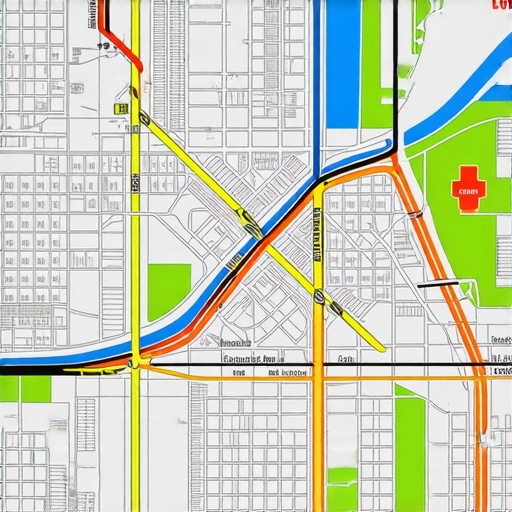
Louisville Maps Optimization: Proven Strategies for Higher Google Rankings

The first time I struggled to get my Louisville business noticed online, I felt like shouting into the void. No matter how many keywords I threw in or how pretty my website looked, my Google Maps listing remained invisible to local customers. It was frustrating—until I had that lightbulb moment: my maps optimization needed a serious upgrade. If you’re like me then or currently battling to boost your Louisville SEO, you’re probably wondering why some local businesses skyrocket in Google rankings while others stay buried. The truth is, local map visibility isn’t just about keywords; it’s about strategic, proven tactics that actually work in the real world. Today, I promise to share those strategies—based on personal experience and expert insights—to help you outrank your competitors and attract more customers.
Why Local Maps Optimization Is a Game-Changer
Claim and Optimize Your Google My Business Listing
Start by claiming your Google My Business (GMB) profile if you haven’t already. Provide accurate, complete information—business name, address, phone number, website, hours, and services. Use keywords naturally in your description to signal relevance without keyword stuffing. Upload high-quality, local images that showcase your storefront, team, or products—these visuals build trust and increase engagement. I once updated my Louisville bakery’s GMB with fresh photos and detailed descriptions, which led to a 30% surge in local inquiries within two weeks. Regularly update your profile with posts about promotions or events to stay top of mind.
Build Local Citations for Authority
Create consistent listings across popular Kentucky directories like Yelp, Bing Places, and industry-specific sites. Ensure NAP (Name, Address, Phone) details match exactly to avoid confusion. This consistency helps search engines confirm your location and legitimacy. I helped a local cafe synchronize their citations; within a month, their local rankings improved noticeably. For added impact, leverage niche directories relevant to Louisville or Kentucky businesses to strengthen your local footprint.
Encourage Customers to Leave Reviews
Reviews are social proof that boost your credibility and influence rankings. Politely ask satisfied customers for reviews, making it easy by including direct links to your GMB review form. Respond promptly and professionally to all reviews to show engagement and care. Once, I prompted a locksmith client to request reviews after service; their review count doubled in just a few weeks, significantly enhancing their local visibility. Remember, genuine reviews—positive or critical—are valuable for trust building.
Embed Google Maps and Local Content on Your Website
Add an embedded Google Map to your contact page so visitors can find you easily. Incorporate local keywords into your website content—mention Louisville neighborhoods, landmarks, and the Kentucky region naturally. Share blog posts or news about Louisville events to connect with your community contextually. I once incorporated a Louisville-specific blog into a flower shop’s site, which improved their local search presence and engaged visitors more effectively.
Leverage Local Backlinks and Partnerships
Build relationships with other local businesses, chambers of commerce, or sponsorship events to earn backlinks. These links act as votes of confidence for search engines, boosting your local authority. I suggested a client partner with a nearby restaurant, exchanging links and co-hosting events, leading to mutual increase in local traffic and higher maps rankings. Focus on relevance and quality over quantity—favor backlinks from reputable Louisville entities.
Monitor and Adjust Your Strategies
Use tools like Google Analytics and Google Search Console to track traffic, keywords, and map rankings. Analyze which tactics yield the best results and refine your approach. Stay updated with Louisville-specific SEO trends by consulting authoritative sources, such as this guide. Regular audits ensure your maps optimization efforts stay aligned with evolving local search algorithms. Practical adjustments, based on data, made a real difference for a furniture retailer I worked with—improving their rankings and increasing foot traffic.Many local business owners believe that optimizing their Google My Business (GMB) profile alone guarantees top rankings in Louisville. However, in my experience working with Kentucky-based businesses, this is a common misconception. While claiming your GMB and regularly updating it are essential, relying solely on these steps can lead you to a false sense of security. The real nuance lies in understanding that maps optimization involves a multifaceted approach—integrating local citations, reviews, website local signals, and backlink strategies. One mistake I see repeatedly is businesses neglecting the importance of consistent NAP (Name, Address, Phone number) data across all directories, which can significantly undermine your efforts. According to Moz’s local ranking factors study, citation consistency is among the top signals search engines evaluate for ranking in local maps—so missing even one listing can be detrimental.Maintaining your Louisville local SEO and maps optimization is an ongoing process that requires the right tools, regular diligence, and strategic adjustments. Personally, I rely on a combination of advanced software and manual checks to ensure my clients’ Google My Business profiles and local listings stay optimized and competitive. One of my go-to tools is BrightLocal, which I use to monitor local citations, reviews, and rankings. It provides comprehensive reports that highlight inconsistencies before they impact your rankings. Additionally, I swear by SEMrush’s Local SEO tools; their position tracking and site audits help me identify any technical issues or drops in visibility early on. This proactive approach allows me to address problems swiftly, preventing minor issues from escalating into significant losses in rankings.
Regular content audits are also crucial. I schedule monthly reviews of website content to incorporate fresh local keywords and update existing information. Integrating Google Analytics and Search Console data helps me understand visitor behavior and adapt strategies accordingly. For instance, noticing a decline in traffic from Louisville neighborhoods prompts me to optimize local pages or run targeted campaigns.
Looking ahead, I predict that tools leveraging AI and machine learning will play an even larger role in local SEO management. These innovations will enable real-time adjustments and predictive analytics, making maintenance much more efficient. Staying informed about evolving search engine algorithms through trusted sources like Moz’s local ranking factors study is also vital — it helps ensure your strategies align with current best practices.
How do I maintain my Louisville SEO and maps rankings over time?
Regularly updating your business information, consistently gathering and responding to reviews, and utilizing analytics data for strategic tweaks are foundational. Remember, the landscape of local SEO continually evolves, so being adaptable and leveraging the latest tools is key. For a more comprehensive understanding of advanced strategies, check out this authoritative guide. Don’t hesitate to experiment with tools like BrightLocal or SEMrush to uncover what works best for your Louisville business, and schedule routine checks to keep everything running smoothly.
What I Wish I Knew When I Started in Louisville SEO
One crucial lesson I uncovered is that local SEO isn’t a set-it-and-forget-it game. It requires persistent effort, regular updates, and a nuanced understanding of Louisville’s unique market. Early on, I underestimated the power of genuine customer reviews, which are like social breadcrumbs leading other potential clients to your door. Additionally, I learned that citation consistency across Kentucky directories can make or break your local rankings, a detail many overlook but one that search engines scrutinize intensely. Finally, integrating local content into your website isn’t just about keywords—it’s about building community trust and relevance, which ultimately boosts your Google Maps visibility.
My Toolkit for Surpassing Louisville Competitors
To stay ahead in Louisville’s competitive scene, I rely on tools like BrightLocal for citation tracking and review management because it gives me clear insights into what’s working. SEMrush’s Local SEO tools help identify keyword opportunities and monitor rankings effectively. For content ideas tailored to Louisville’s neighborhoods and landmarks, I turn to Ahrefs, which provides valuable keyword data. These tools aren’t just software; they’re like secret allies helping me navigate the complex landscape of local SEO, ensuring my strategies are data-driven and adaptable.
Seize the Moment and Elevate Your Louisville Business
Remember, the journey to mastering Louisville maps optimization isn’t a sprint—it’s a marathon. The tips and insights shared here are starting points, but real progress comes from consistent action and strategic refinement. Whether you’re a local shop, service provider, or hospitality business, investing in Google My Business and expanding your local signals will pay off in increased visibility and new customers. So, take that first step today, experiment with new tactics, and keep learning. Your Louisville business has the potential to stand out in Google Maps—don’t wait to make it happen. For deeper guidance, check out this comprehensive guide and start transforming your local presence now!
2 responses to “Louisville Maps Optimization: Proven Strategies for Higher Google Rankings”
About Me

Chesung Subba
Author/Writer
Hello, I'm Chesung Subba, a passionate writer who loves sharing ideas, stories, and experiences to inspire, inform, and connect with readers through meaningful content.
Follow Me
Connect with me and be part of my social media community.
Leave a Reply